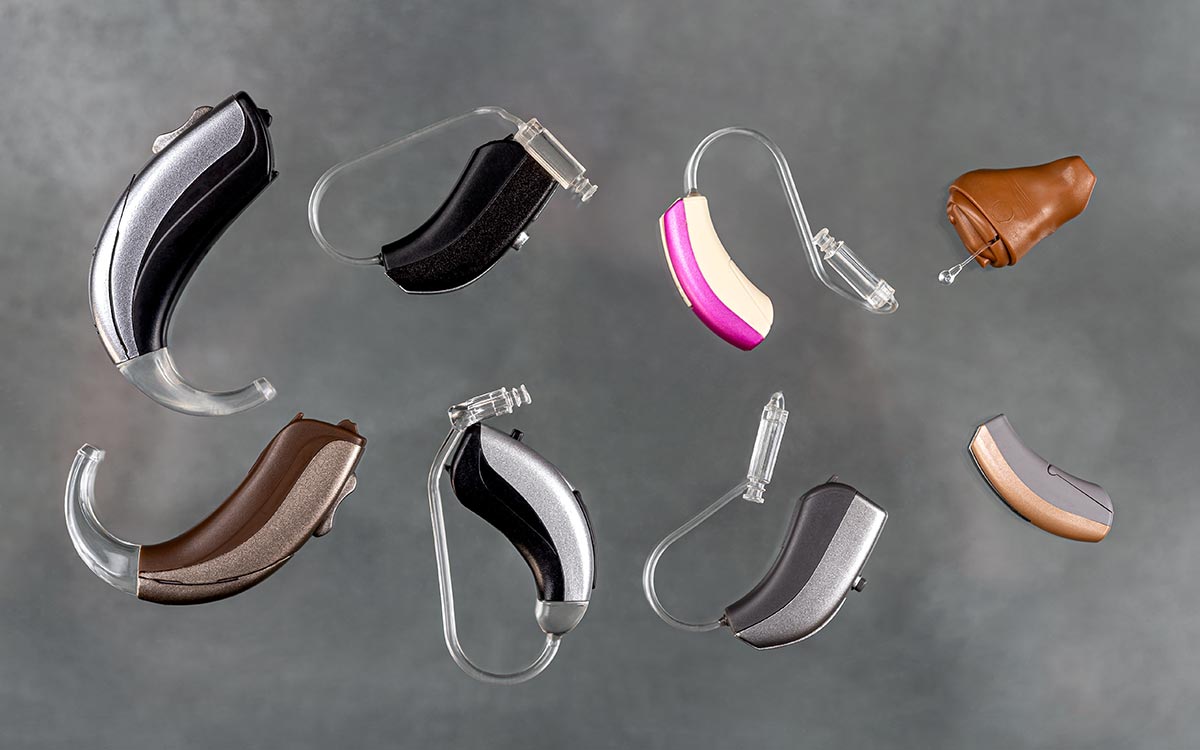
Choosing an instrument can feel daunting, especially when today’s units come in so many styles, sizes, and technology levels. However, a specialized hearing solution exists for every person’s singular needs and daily habits. It’s just a matter of finding it!
By learning about the distinctions between various hearing aid models, you can move forward with greater confidence and knowledge. We are planning to study the primary styles available today to help you understand what sets each option apart.
In-the-Canal (ITC) Hearing Aids
Basic Summary:
These hearing aids are positioned partly inside the canal, making them visible only slightly from the outside.
The Advantages:
- Less noticeable than conventional full-size models
- Tailored to the unique shape of your ear
- A useful choice for those with moderate hearing needs
These devices are frequently recommended for beginners due to their effective mix of subtle design and user-friendly functions.
IIC (Invisible-in-Canal) Technology
Core Traits:
IIC models are the most miniature custom-fitted hearing solutions you can choose. They rest deep inside the ear canal and are virtually invisible when worn.
Why individuals pick them:
- Maximum cosmetic discretion
- Provides authentic audio because of where the device sits
- Featherweight and comfortable
The small form size of IIC models makes them perfect for mild hearing loss and anyone who values a stealthy hearing solution.
In-the-Ear (ITE) Hearing Aids
What they represent:
These models fill either the full or bottom half of the outer ear bowl. These are custom-fabricated for a precise fit based on your ear’s anatomy.
Value Offering:
- The bigger size makes it feasible to include more internal components and longer-lasting batteries
- Provides a more manageable experience for those who struggle with tiny accessories
- A versatile option that can address even significant levels of hearing loss
Users regularly choose these units for their straightforward, single-piece construction that avoids any external wiring or tubing.
Behind-the-Ear (BTE) Hearing Aids
Description:
BTE hearing aids rest comfortably behind the ear. Audio moves into the ear canal through a small tube or custom earmold.
Why people select them:
- Regarded as one of the most dependable and robust designs available
- Can be programmed to help users with everything from mild to profound loss
- The spacious housing enables high-tech extras and built-in power cells
For those who prioritize a dependable device that is easy to manage and provides plenty of volume, BTE is an excellent choice.
Receiver-in-Canal (RIC) Hearing Aids
What they are:
RIC hearing aids appear similar to BTE models, but the speaker (receiver) sits inside the ear canal rather than inside the device behind the ear.
Key Benefits:
- Very natural sound quality
- Small, lightweight, and comfortable
- Flexible enough to address a broad number of hearing impairments
Thanks to their ease and visual appeal, RIC devices have become a gold standard.
Understanding Extended-Wear Systems
What they are:
These devices are placed deep in the ear canal by an audiology professional and can stay in place for several weeks at a time.
User Incentives:
- No routine insertion or removal
- They are virtually hard for others to notice because of their depth
- Engineered to be worn throughout everyday activities, including sleeping and exercising
If you want an auditory solution that requires zero daily thought, the extended-wear style is perfect.
Smart Hearing Aids with Bluetooth
Operation:
Connectivity-focused hearing aids that utilize Bluetooth to integrate with your digital life.
Why go wireless:
- Send calls, music, and audio directly to the hearing aids
- Provides a discreet way to manage your hearing environment from your mobile screen
- Perfectly suited for the requirements of an advanced, connected individual
This wireless technology is found in most modern behind-the-ear and in-the-canal models.
Alternative Implantable Solutions
Design Overview:
This technology involves an operative procedure to place a device that mechanically stimulates the bones of the middle ear.
Why implants are utilized:
- A viable route for patients who are unable to wear standard acoustic devices
- This is an expert alternative for those with chronic ear canal sensitivity.
Candidates for middle-ear implants should complete a comprehensive evaluation by a hearing specialist.
Finding the Hearing Aid That Fits Your Lifestyle
Every hearing aid style offers its own advantages, and the right option depends on your level of hearing loss, comfort preferences, lifestyle, and cosmetic considerations. An expert can offer the support needed to test out different styles and find the one that fits your life perfectly.
Begin your path to clearer sound by setting up an auditory test now. It is the most significant move you can make toward an increasingly vibrant and confident life.
Sources:
https://www.mayoclinic.org/diseases-conditions/hearing-loss/in-depth/hearing-aids/art-
20044116
https://www.hearinglife.com/hearing-aids/types
https://www.nidcd.nih.gov/health/hearing-aids
