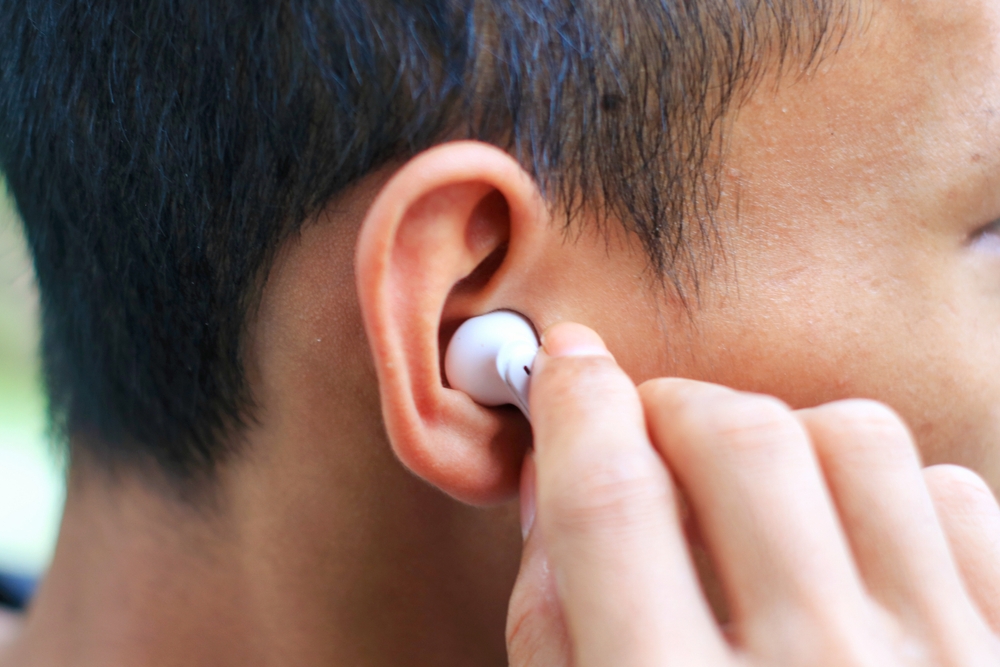
In modern public spaces, the sight of a young person without some form of in-ear audio is rare. Though over-ear headphones are more bulky, the younger demographic still relies on them for environmental isolation. The appreciation for music is a cross-generational trait, yet younger individuals often depend on it for constant background stimulation. Given their intimate position near the eardrum, are these devices a legitimate threat to our hearing? It’s not the device itself, but how we use it.
The Biological Threshold of Auditory Exposure
The psychological impact of music varies, serving to calm the nerves, provide emotional solace, or increase physiological arousal. Much depends on the rhythm and volume of the content being consumed. Using a headphone or an earbud is a polite way to listen without disturbing others. Most individuals view this as a positive etiquette, especially within the confined spaces of a bus or train.
The essential inquiry remains: at what decibel level and timeframe does listening become dangerous? In reality, excessive sound pressure is universally hazardous to the delicate structures of the cochlea. When you listen for too long a time and at a very loud volume, you can irreparably damage your hearing. The onset of **Noise-Induced Hearing Loss** is insidious, meaning significant damage often precedes clinical awareness.
Why Earbuds Pose a Unique Threat to Hearing Health
High volume stands as the most significant threat to the preservation of hearing sensitivity. However, the duration of the exposure matters as much as the volume.
- According to the NIH, maintaining a threshold below 70 dB ensures safety, even during extended listening periods.
- There is a direct correlation between increased sound pressure and the speed of hearing degradation.
- Audiologists recommend the 60/60 rule: stay below 60% of max volume and limit sessions to one hour.
- Ensuring long-term hearing health requires a proactive reduction in volume and strict limits on listening time.
Red Flags: When to Suspect Hearing Impairment
If you commonly hear muffled sounds, find it difficult to understand conversations in noisy places, have ringing in your ears (tinnitus), and frequently ask people to repeat what they said or to speak louder, it’s time to have a hearing exam with a professional.
Reach out to our care team immediately if you are concerned about your current hearing sensitivity.
