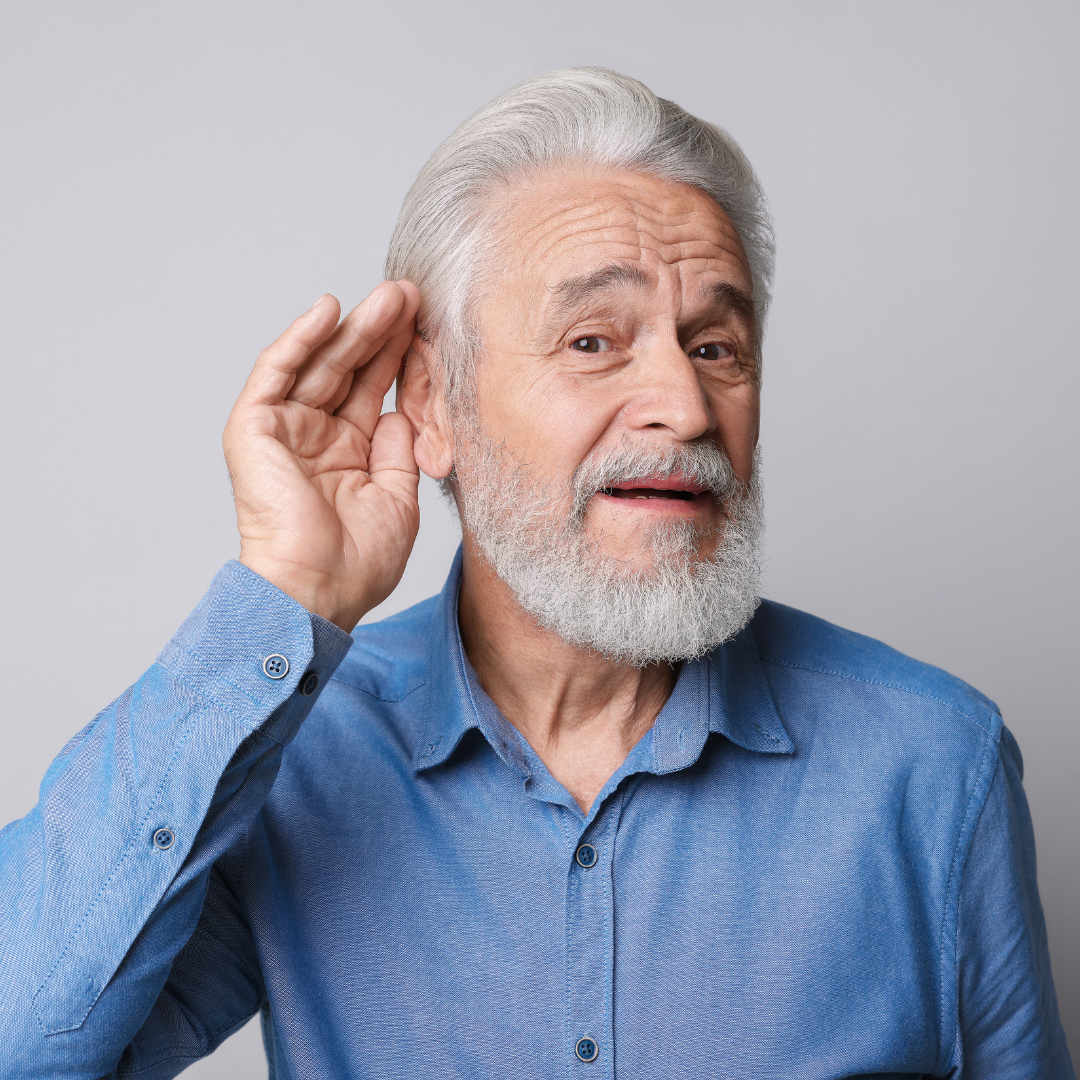
A rapid drop in hearing in one ear can cause immediate fear and leave patients confused regarding the appropriate next steps. Our audiology clinic offers prompt diagnostic hearing testing and coordinates emergency medical evaluations whenever sudden hearing changes develop. Any sudden hearing loss requires urgent clinical consultation with a hearing healthcare specialist to pursue immediate medical intervention or rehabilitation.
Is Sudden Unilateral Hearing Loss an Audiological Emergency?
Indeed it is. An abrupt loss of hearing in one ear should always be regarded as an emergency, particularly if the loss emerges over hours or several days. Often designated as sudden deafness, sudden sensorineural hearing loss reflects damage to the inner ear cochlea or the acoustic nerve. Because it rarely causes localized otalgia, individuals frequently misinterpret the sudden loss as middle-ear congestion or a cerumen plug.
Common clinical manifestations include:
- A rapid unilateral loss of sound volume and word distinction
- An inability to clearly understand phone calls when listening with the involved ear
- A noticeable pop or sudden sensation of aural pressure just before hearing drops
- New ringing, buzzing, or roaring in the affected ear
- Dizziness, imbalance, or a spinning sensation
Do not wait for hearing to restore on its own. Call our clinic, an urgent care center, or an ear, nose, and throat doctor right away for same-day clinical guidance.
The Critical Importance of Immediate Medical Care for Sudden Hearing Loss
Early evaluation matters because treatment for sudden sensorineural hearing loss is generally most useful when it begins promptly. We must immediately determine if the loss is conductive—stemming from earwax blockage or middle-ear pathology—or sensorineural, signifying inner ear or neural involvement. Both conditions produce overlapping sensations of aural fullness and hearing loss, but their clinical interventions are entirely divergent.
An ear examination and a diagnostic hearing test can identify the type, pattern, and severity of the loss.
Seek emergency medical intervention right away whenever sudden hearing loss develops with:
- Acute facial asymmetry, motor weakness, or cranial nerve numbness
- Dysarthria (slurred speech), acute cognitive confusion, or an atypical, severe headache
- Acute visual disturbances, fainting spells, or marked ambulatory unsteadiness
- Sharp chest discomfort or related symptoms of acute cardiovascular distress
Such clinical findings often indicate an urgent vascular or central neurological emergency that cannot wait for an outpatient appointment.
What Triggers Sudden Deafness in a Single Ear?
In a large majority of sudden sensorineural hearing loss cases, diagnostic testing reveals no identifiable definitive etiology. In cases where an etiology is successfully uncovered, it frequently involves localized inflammation, physical trauma, microvascular compromise, autoimmune pathology, or auditory nerve disorders.
Common clinical factors include:
- Viral or bacterial infections
- Blunt head trauma, concussive injury, or acute acoustic trauma
- Diagnosed autoimmune disorders affecting the inner ear sensory systems
- Administration of potentially ototoxic pharmaceutical agents
- Localized microvascular occlusions or compromised blood circulation
- Primary inner ear disorders, such as endolymphatic hydrops or Ménière’s disease
- Central neurological pathologies including multiple sclerosis
- A benign neoplasm such as an acoustic neuroma along the hearing and balance nerve
Because one cannot differentiate these complex etiologies based on symptoms alone, prompt diagnostic assessment and audiologic testing are critical.
Clinical Treatment Protocols for Sudden Sensorineural Hearing Loss
Corticosteroids are a common treatment when sudden sensorineural hearing loss has no clear cause. Corticosteroids can be ingested orally or injected through the eardrum into the middle ear cavity, allowing medication to permeate the round window membrane. Treatment options are made by us and should account for the timing and severity of the loss, medical conditions, current medications, and potential side effects.
Steroid treatment may be offered within the first two weeks, and starting as early as medically appropriate is important. When initial recovery is insufficient, physicians frequently recommend intratympanic steroid injections as a targeted salvage intervention. In selected cases, a physician may discuss hyperbaric oxygen therapy combined with steroids.
The Reality of Spontaneous Recovery in Sudden Hearing Loss
Certain instances of sudden sensorineural hearing loss do demonstrate spontaneous improvement without therapeutic intervention. Roughly half of individuals with the condition experience spontaneous partial or complete auditory recovery, primarily during the initial two-week period. Nevertheless, clinicians have no definitive diagnostic method to predict at onset who will recover, what degree of hearing will return, or whether gains will prove permanent.
The possibility that hearing might return spontaneously is never an acceptable reason to delay emergency treatment. Therapeutic success diminishes significantly if care begins weeks after the incident, meaning delays can permanently eliminate an important window of recovery. Final patient outcomes vary widely, spanning full recovery, partial gains, or minimal improvement.
Audiological Management for Persistent Sudden Unilateral Hearing Loss
If auditory recovery is incomplete following treatment, clinical planning depends on remaining hearing levels, single-ear speech understanding, and comprehensive diagnostic imaging. We may advise undergoing an MRI with contrast or an auditory brainstem response test to inspect the integrity of the acoustic nerve and adjacent neurovascular structures.
Long-term audiological rehabilitation options include:
- A traditional digital hearing aid provided the ear demonstrates functional, aidable residual hearing
- A wireless CROS system that captures incoming sound on the impaired side and transfers it to the better-hearing ear
- Bone-conduction hearing implants or transcutaneous bone processors for suitable clinical patients
- Cochlear implantation designed to restore binaural hearing in qualifying cases of single-sided deafness
- Dedicated assistive listening technology engineered for challenging workplace, classroom, or group conversations
Targeted audiologic rehabilitation provides strategies to manage cognitive listening exhaustion, impaired sound localization, and interpersonal communication hurdles. The most suitable option depends on the hearing test results, daily needs, health history, and personal preferences.
Arrange an Emergency Hearing Evaluation
If your hearing changed suddenly today or during the past several days, request same-day medical direction rather than waiting for a routine consultation. We provide immediate diagnostic hearing evaluations, analyze bilateral auditory thresholds, review symptom chronology, and collaborate with an ear, nose, and throat specialist or medical provider.
Contact our clinic without delay to request a prompt hearing evaluation.
