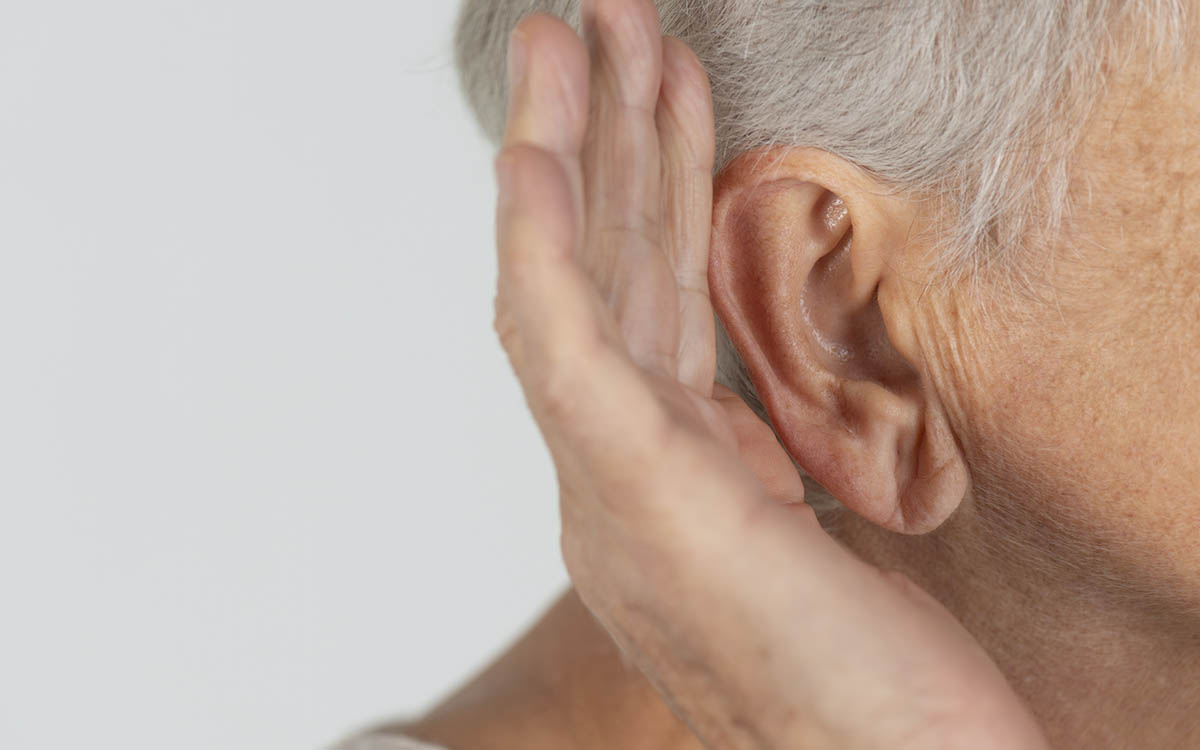
While many individuals correlate hearing loss with getting older, however, for millions in the U.S., auditory trauma initiates much earlier in life. Among the most frequent and preventable categories of auditory damage, noise-induced hearing loss frequently develops incrementally, escaping notice until it becomes a permanent condition.
Comprehensive knowledge of how chronic noise exposure affects the ears allows for preventative measures before major hearing loss develops.
What Is Acoustic-Related Hearing Loss: An Overview
This form of hearing loss is precipitated by excessive acoustic energy damaging the fragile internal structures of the auditory system. The Centers for Disease Control and Prevention state that, sounds above 85 decibels (roughly the volume of heavy traffic) can begin to cause hearing damage with repeated or prolonged exposure. Higher intensity sounds, including those generated by machinery, music venues, or firearms, may result in immediate damage.
The inner ear contains microscopic sensory receptors known as hair cells. The function of these cells is to transduce mechanical vibrations into neural impulses for cerebral processing. Following injury, these hair cells lack the biological capacity to regenerate, which renders noise-related hearing loss an irreversible condition.
Understanding How Hearing Damage Builds Over Time
The insidious nature of noise-induced hearing loss is highlighted by its gradual developmental timeline. Initial clinical indicators of sound-induced trauma may involve:
- Short-term episodes of Tinnitus or buzzing within the ears
- A feeling of muffled hearing after loud events
- Challenges involving speech comprehension within high-noise settings
These early warning signs may fade, leading people to assume their hearing has “recovered”. In fact, chronic noise exposure causes ongoing trauma to inner-ear anatomy, slowly reducing hearing clarity and sensitivity over time.
The hearing loss Association of America estimates that 48 million individuals in the US suffer from hearing loss, often without realizing the cause.
Identifying Everyday Decibel Levels Impacting Auditory Longevity
Modern society is characterized by high ambient noise, which frequently leads to a lack of awareness regarding sound intensity. As a result, many individuals remain unaware of the clinical prevalence of damaging noise exposure.
Commonly encountered risks include:
- Professional music performances and concert environments
- Personal audio devices utilized at excessive decibel levels
- Gas-powered lawn tools, industrial machinery, and motorcycles
- Industrial workplace environments such as warehouses and construction sites
The everyday occurrence of these sounds allows for progressive damage to develop without obvious warning.
Implementing Prophylactic Measures in Auditory Health
Noise-induced hearing loss is physiologically irreversible, unlike many other health impairments. The condition is, however, susceptible to effective preventative strategies. Simple protective habits can significantly reduce risk, including:
- Employing earplugs or specialized earmuffs during high-decibel exposure
- Reducing personal audio volume and adhering to the 60/60 safety guideline
- Taking listening breaks to give your ears time to recover
- Ensuring consistent Audiology check-ups for those in high-noise environments
Clinical Indicators for Seeking Hearing Screenings
Should you experience persistent Tinnitus or a decline in conversational understanding, a professional evaluation is indicated. Prompt clinical evaluation is vital for tracking auditory status and formulating effective hearing preservation plans.
Implementing protective measures today safeguards your auditory capacity for the years ahead. Noise may be unavoidable, but hearing loss doesn’t have to be!. Contact us to coordinate a comprehensive evaluation and ensure your auditory system is functioning at its peak.
