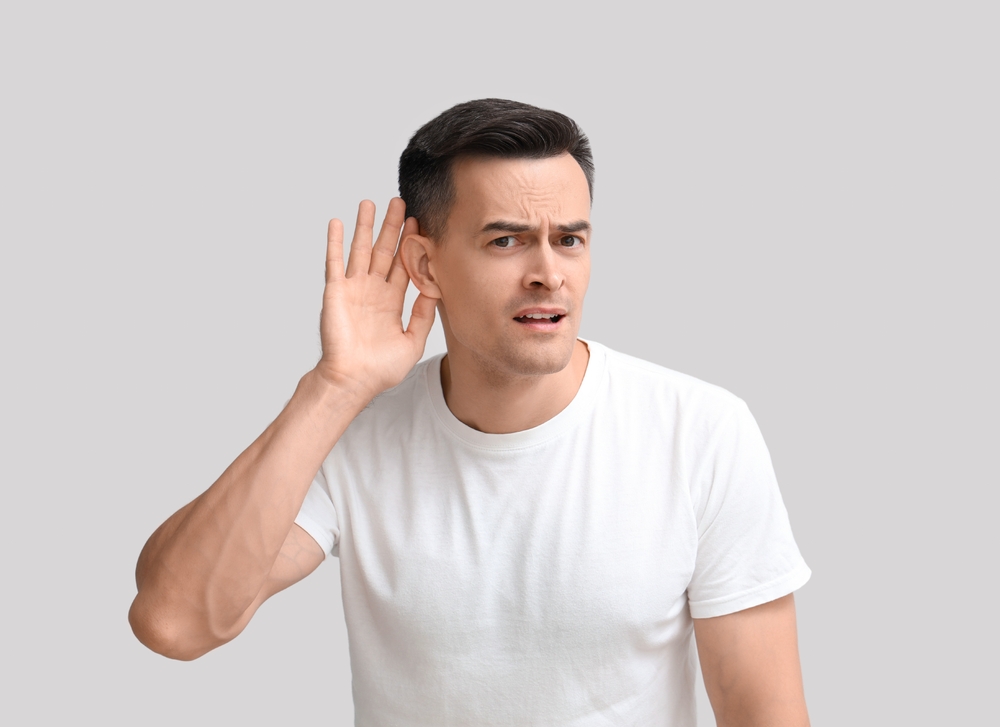
Have you noticed a distinct sense of exhaustion after participating in lengthy verbal interactions?
You may assume you’re just tired, stressed, or overwhelmed. And it’s true that for introverts or people with sensory issues, social situations can be exhausting. Frequently, this specific type of burnout is actually triggered by chronic auditory fatigue.
Essentially, auditory fatigue is the result of the brain over-functioning to compensate for poor sound quality. The brain’s attempt to reconstruct incomplete audio data requires an immense amount of “processing power” and neural energy. Over time, this constant strain can leave you feeling mentally exhausted.
Many people mistake auditory fatigue for ordinary tiredness. This type of burnout often points toward a functional decline in the auditory system. Undergoing a clinical screening can identify the extent to which hearing loss drives your daily fatigue. Persistent patterns of post-social exhaustion warrant a discussion regarding the impact of hearing loss.
Identifying the Core Drivers of Listening Exhaustion
The risk of developing auditory fatigue is increased by several physiological and environmental factors.
The Impact of Unmanaged Hearing Loss
Failing to address hearing loss is a major factor in the development of persistent auditory fatigue.
If the peripheral auditory system fails to deliver clear data, the brain must use context clues to guess the missing information. The mental labor required for constant speech reconstruction causes energy levels to plummet during social interaction.
Noisy Environments
Acoustically complex settings serve to intensify the demand on the brain’s filtering systems. Loud public spaces, corporate boardrooms, and large social gatherings typically feature high levels of competing ambient noise.
The presence of competing sounds forces the brain’s “noise-cancellation” filters to work at maximum capacity. This process can create cognitive overload, especially for people with hearing loss (even mild cases).
The Role of Tinnitus in Auditory Fatigue
The presence of tinnitus creates a dual-processing burden, forcing the brain to manage both phantom internal signals and legitimate external sound.
When hearing loss causes sound to arrive garbled, the brain must work with higher intensity to extract meaning.
How to Recognize the Onset of Auditory Fatigue
This type of fatigue often degrades both your ability to concentrate and your general vitality. Frequently observed symptoms include:
- Profound mental burnout after speaking with others
- Reduced focus during professional or social group settings
- Physical head pain triggered by extended periods of listening effort
- Increased emotional volatility in loud or busy environments
- Social retreat to avoid the stress of auditory processing
- The need for a “quiet recovery period” following social exposure
Recurring instances of these symptoms suggest that your auditory processing system is operating at an inefficient level.
How the Brain Compensates for Hearing Impairment
Clear auditory input allows the brain to interpret sound with virtually no conscious effort. The presence of hearing loss creates a “resource drain,” pulling energy away from memory and logic to help hear speech.
In clinical literature, this phenomenon is identified as a surge in cognitive load. The brain is forced to sacrifice higher-level thinking to manage the low-level task of hearing sound. The long-term effect of this cognitive shift is the profound “emptiness” felt after socializing. The effort required for even a 10-minute talk becomes disproportionately high.
Diagnosing the Source of Your Fatigue
A formal auditory screening is the most effective way to determine why you feel so drained. A full audiological exam involves testing your threshold for various frequencies and your word-recognition score. Specialized “speech-in-noise” testing is often used to uncover deficits that are invisible during standard quiet-room exams.
A professional assessment confirms the link between your ears and your exhaustion, enabling targeted care. Timely audiological care is the most effective way to halt the progression of auditory fatigue.
Restoring Energy Through Hearing Care
Addressing the underlying impairment is the most direct way to eliminate auditory fatigue.
Modern hearing aids improve sound clarity by amplifying important speech frequencies and reducing background noise. By delivering a clean signal, these devices eliminate the need for the brain to expend energy on reconstruction.
When listening becomes easier, many people notice improvements in:
- General energy levels from morning to evening
- Focus during conversations
- A return to enjoying busy restaurants and gatherings
Lowering the cognitive cost of communication allows social life to feel effortless once more.
Is it Time for a Professional Hearing Check?
It may be time to schedule a hearing evaluation if:
- You feel exhausted after conversations
- Friends or family members mention that you often ask them to repeat what they’ve said
- You struggle to follow discussions in noisy environments
- You have begun declining invitations because you are tired of the effort to hear
Addressing hearing concerns early can help reduce listening strain and improve overall quality of life.
Frequently Asked Questions: Auditory Fatigue
Auditory Fatigue vs. Hearing Loss: What’s the Difference?
No—fatigue is the “symptom” (burnout), whereas loss is often the “cause” (the impairment). Most people experience auditory fatigue as a direct consequence of their hearing loss.
Do Hearing Aids Help with Exhaustion?
Yes. By improving sound clarity and reducing background noise, hearing aids can significantly decrease the mental effort required to understand speech.
Is auditory fatigue permanent?
Typically, this fatigue is transient and resolves once the auditory system is supported by clinical care.
Reclaiming Your Energy After Social Events
Socializing should replenish you, not leave you feeling drained. If you are suffering from chronic post-social burnout, your auditory system is likely over-exerting itself.
Schedule your hearing test today by contacting us today. Total peace of mind is only possible when you understand the physiological roots of your fatigue.
